
Extending engineering teams across public-sector programs
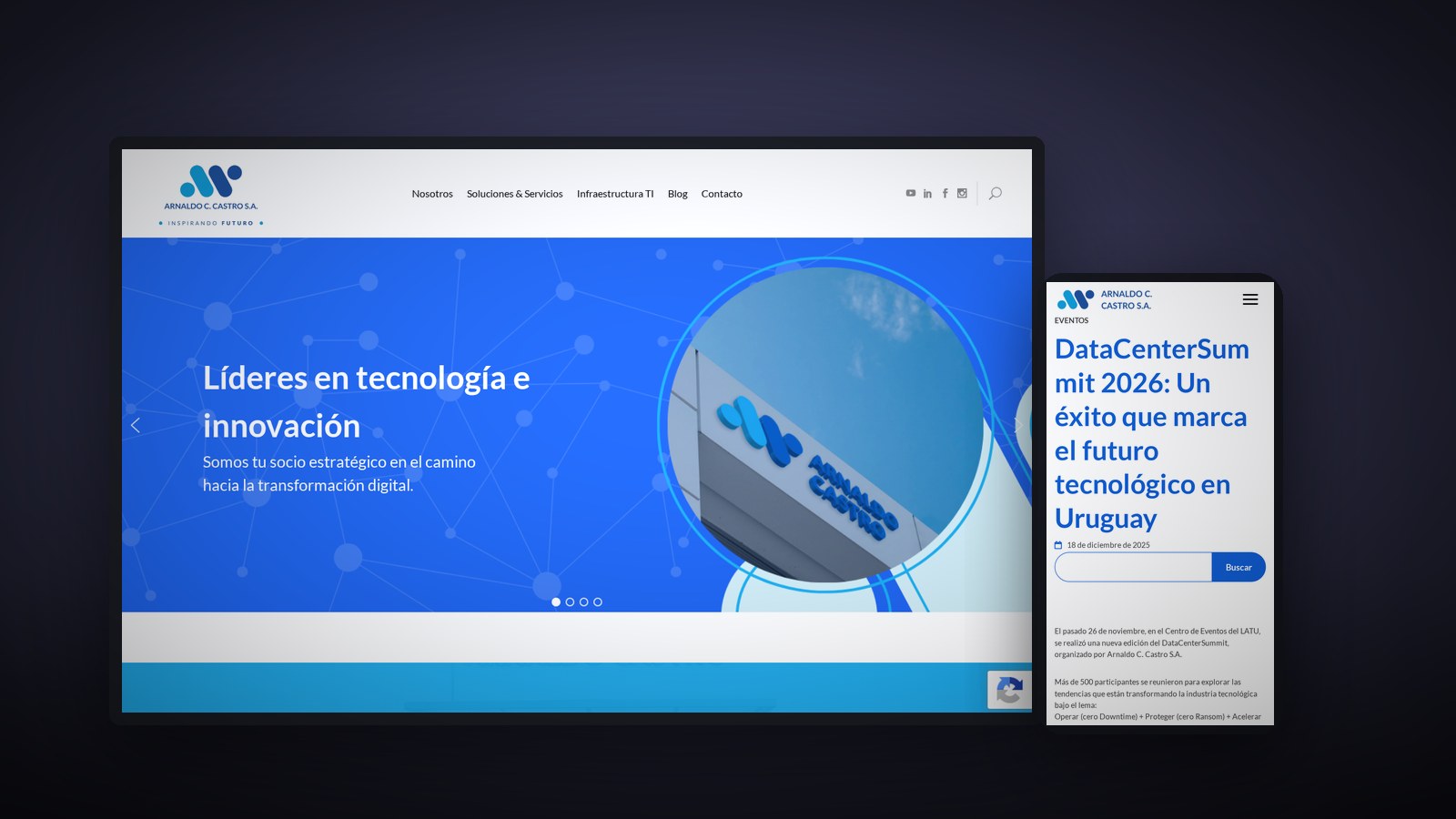
ACCSA delivers large technology programs for Uruguay's most important public and private organizations. Alabama adds embedded engineering capacity directly into ACCSA teams, including initiatives for Antel and INAC.
01 / The challenge
Different projects. The same need for strong engineering capacity.
Large institutional projects rarely have static team requirements. Priorities change, new initiatives start, and finding experienced engineers who can join without adding friction takes time.
For ACCSA, that challenge repeats across client environments. The need was not a parallel delivery organization. It was engineering capacity directly where the work was already happening.
- 01
Technology stack
Engineers need to adapt to existing architectures and technical standards.
- 02
Delivery process
Teams already have their own backlog, tools and ways of working.
- 03
Institutional context
Public-sector projects introduce formal processes, dependencies and accountability requirements.
- 04
Domain knowledge
The longer engineers stay involved, the more valuable their accumulated context becomes.
02 / The approach
Join the existing team and build context over time.
Alabama engineers embed directly into ACCSA's project teams, with the same backlog, tools, engineering practices and delivery structure.
The initial challenge is finding the right technical profile. After that, the value increasingly comes from continuity.
Engineers learn the architecture, client environment, domain and team rhythms. That context compounds and reduces friction on long-running programs.
- SAME BACKLOG
- SAME TOOLS
- SHARED PRACTICES
- SHARED DELIVERY
03 / The solution
Embedded engineers across multiple initiatives.
Engineering capacity across ACCSA delivery teams, matched to each initiative's needs.
Antel
Embedded engineers within teams working on technology initiatives for Uruguay's national telecommunications company.
EnterpriseINAC
Engineering contribution within Uruguay's National Meat Institute institutional technology environment.
Public sectorMultiple environments
Different architectures, stakeholders and constraints. Capacity added where required without a separate delivery process.
EmbeddedEmbedded collaboration
Direct participation inside ACCSA and client-side project structures rather than a parallel outsourced team.
TeamsProgram continuity
Long-running engagement so context accumulates across initiatives and client environments.
Context04 / The results
More engineering capacity inside the teams already delivering.
The relationship gives ACCSA additional engineering capacity across multiple initiatives while preserving the delivery model already in place.
As the collaboration continues, Alabama engineers accumulate context that makes them increasingly effective inside those environments.
For Alabama, the ACCSA relationship is a good example of the Embedded Engineering model: experienced engineers joining established delivery organizations and contributing wherever additional capacity is needed.
- ONGOING
- relationship spanning multiple projects
- MULTIPLE CLIENTS
- capacity across different environments
- ANTEL + INAC
- nationally relevant institutions
- EMBEDDED
- engineers inside ACCSA teams